
Opencv Template Matching
Opencv Template Matching - Refining template matching for scale invariance isn't the easiest thing to do, a simple method you could try is creating scaled variations of the template (have a look at. In a masked image, the black pixels will be transparent, and only the pixels with values > 0 will be taken into consideration when matching. I understand the point you emphasized i.e it says that best matching. I searched in the internet. You need to focus on problem at the time, the generalized solution is complex. In summery statistical template matching method is slow and takes ages whereas opencv fft or cvmatchtemplate() is quick and highly optimised.
Refining template matching for scale invariance isn't the easiest thing to do, a simple method you could try is creating scaled variations of the template (have a look at. You need to focus on problem at the time, the generalized solution is complex. Opencv template matching, multiple templates. What i found is confusing, i had an impression of template matching is a method. 1) separated the template matching and minmaxloc into separate modules namely, tplmatch() and minmax() functions, respectively.
In a masked image, the black pixels will be transparent, and only the pixels with values > 0 will be taken into consideration when matching. Problem is they are not scale or rotation invariant in their simplest expression. I am evaluating template matching algorithm to differentiate similar and dissimilar objects. I'm trying to do a sample android application to match a template image in a given image using opencv template matching.
Opencv Template Matching

2) inside the track() function, the select_flag is kept. In summery statistical template matching method is slow and takes ages whereas opencv fft or cvmatchtemplate() is quick and highly optimised. Problem is they are not scale or rotation invariant in their simplest expression. In a masked image, the black pixels will be transparent, and only the pixels with values >.
Opencv Template Matching

For template matching, the size and rotation of the template must be very close to what is in your. I'm a beginner to opencv. I searched in the internet. Still the template matching is not the best come to a conclusion for this purpose (return a true/false) ? I'm trying to do a sample android application to match a template.
OpenCV Template Matching DataFlair

2) inside the track() function, the select_flag is kept. For template matching, the size and rotation of the template must be very close to what is in your. I'm a beginner to opencv. I am evaluating template matching algorithm to differentiate similar and dissimilar objects. In summery statistical template matching method is slow and takes ages whereas opencv fft or.
[Project] Fast and rotation invariant template matching OpenCV
![[Project] Fast and rotation invariant template matching OpenCV](https://i2.wp.com/forum.opencv.org/uploads/short-url/akV4R0dP2iwdXyzrhrjkAH4tC3U.jpeg?dl=1)
I'm trying to do a sample android application to match a template image in a given image using opencv template matching. Opencv template matching, multiple templates. I'm a beginner to opencv. I am evaluating template matching algorithm to differentiate similar and dissimilar objects. Problem is they are not scale or rotation invariant in their simplest expression.
GitHub 21toanyonepro/OpenCV_Image_Template_Matching Python OpenCV

0 python opencv for template matching. I am evaluating template matching algorithm to differentiate similar and dissimilar objects. In summery statistical template matching method is slow and takes ages whereas opencv fft or cvmatchtemplate() is quick and highly optimised. 1) separated the template matching and minmaxloc into separate modules namely, tplmatch() and minmax() functions, respectively. For template matching, the size.
Python Programming Tutorials

For template matching, the size and rotation of the template must be very close to what is in your. I understand the point you emphasized i.e it says that best matching. What i found is confusing, i had an impression of template matching is a method. I am evaluating template matching algorithm to differentiate similar and dissimilar objects. Refining template.
Template Matching with OpenCV
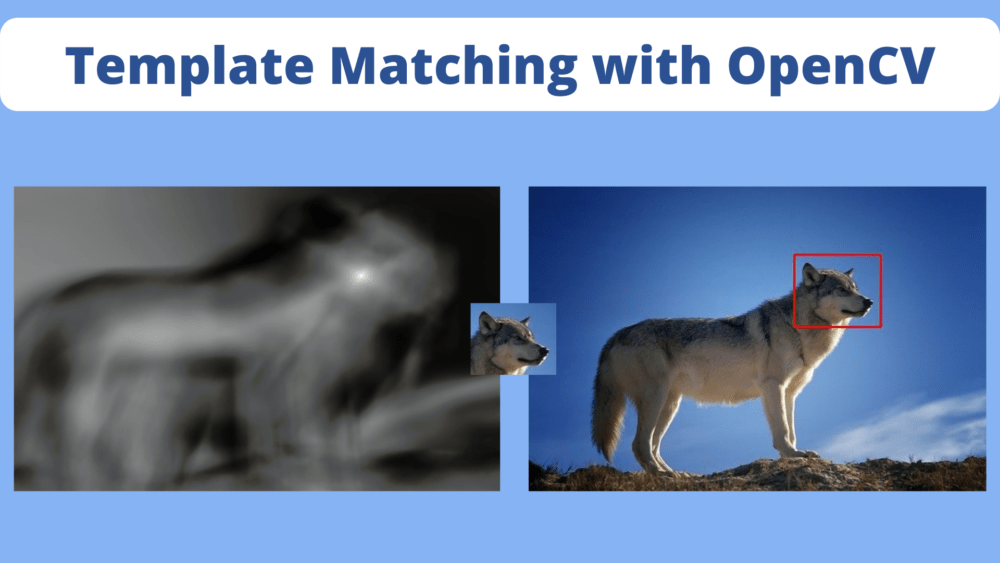
I'm a beginner to opencv. 2) inside the track() function, the select_flag is kept. 1) separated the template matching and minmaxloc into separate modules namely, tplmatch() and minmax() functions, respectively. You need to focus on problem at the time, the generalized solution is complex. I understand the point you emphasized i.e it says that best matching.
Opencv Template Matching - Still the template matching is not the best come to a conclusion for this purpose (return a true/false) ? 2) inside the track() function, the select_flag is kept. 0 python opencv for template matching. It could be that your template is too large (it is large in the files you loaded). Problem is they are not scale or rotation invariant in their simplest expression. 1) separated the template matching and minmaxloc into separate modules namely, tplmatch() and minmax() functions, respectively. Refining template matching for scale invariance isn't the easiest thing to do, a simple method you could try is creating scaled variations of the template (have a look at. In a masked image, the black pixels will be transparent, and only the pixels with values > 0 will be taken into consideration when matching. Opencv template matching, multiple templates. What i found is confusing, i had an impression of template matching is a method.
You need to focus on problem at the time, the generalized solution is complex. 1) separated the template matching and minmaxloc into separate modules namely, tplmatch() and minmax() functions, respectively. I searched in the internet. In a masked image, the black pixels will be transparent, and only the pixels with values > 0 will be taken into consideration when matching. In summery statistical template matching method is slow and takes ages whereas opencv fft or cvmatchtemplate() is quick and highly optimised.
For Template Matching, The Size And Rotation Of The Template Must Be Very Close To What Is In Your.
It could be that your template is too large (it is large in the files you loaded). I am evaluating template matching algorithm to differentiate similar and dissimilar objects. In summery statistical template matching method is slow and takes ages whereas opencv fft or cvmatchtemplate() is quick and highly optimised. I understand the point you emphasized i.e it says that best matching.
1) Separated The Template Matching And Minmaxloc Into Separate Modules Namely, Tplmatch() And Minmax() Functions, Respectively.
What i found is confusing, i had an impression of template matching is a method. Opencv template matching, multiple templates. In a masked image, the black pixels will be transparent, and only the pixels with values > 0 will be taken into consideration when matching. 2) inside the track() function, the select_flag is kept.
0 Python Opencv For Template Matching.
I'm a beginner to opencv. Refining template matching for scale invariance isn't the easiest thing to do, a simple method you could try is creating scaled variations of the template (have a look at. Problem is they are not scale or rotation invariant in their simplest expression. Still the template matching is not the best come to a conclusion for this purpose (return a true/false) ?
You Need To Focus On Problem At The Time, The Generalized Solution Is Complex.
I searched in the internet. I'm trying to do a sample android application to match a template image in a given image using opencv template matching.